Ghee versus Butter
Key Takeaways
- Ghee is clarified butter with higher smoke point.
- Butter contains milk solids and has a richer flavor.
- Ghee is lactose-free, making it suitable for lactose-intolerant individuals.
- Both ghee and butter have their unique culinary uses.
In the world of cooking, ghee and butter are two popular options that add flavor and richness to dishes. However, they differ significantly in terms of composition, cooking properties, and health implications. This article will compare and contrast these two fats to help you understand which one may be a better fit for your culinary needs.
What is Ghee?
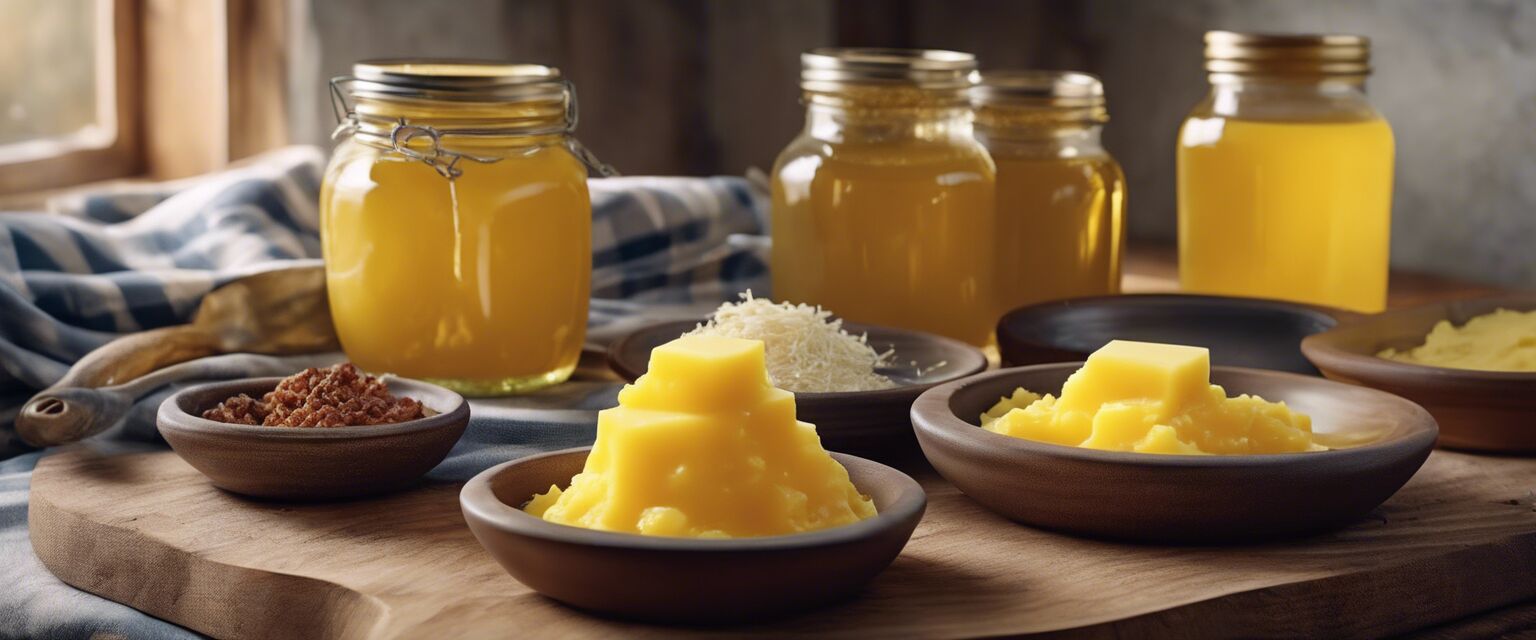
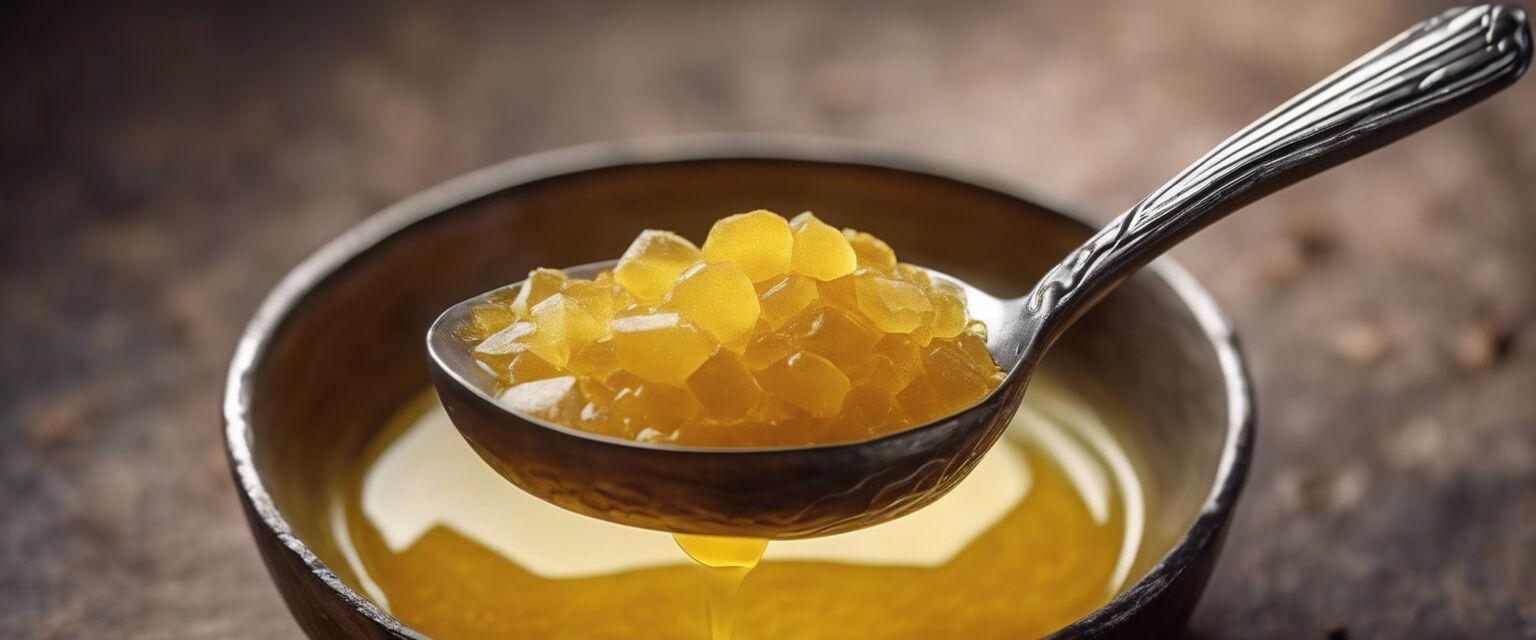
Ghee is a type of clarified butter that originated in ancient India. It is made by simmering butter to separate the milk solids and water from the fats. The result is a rich, golden liquid that is stable at room temperature and has a higher smoke point than regular butter.

What is Butter?
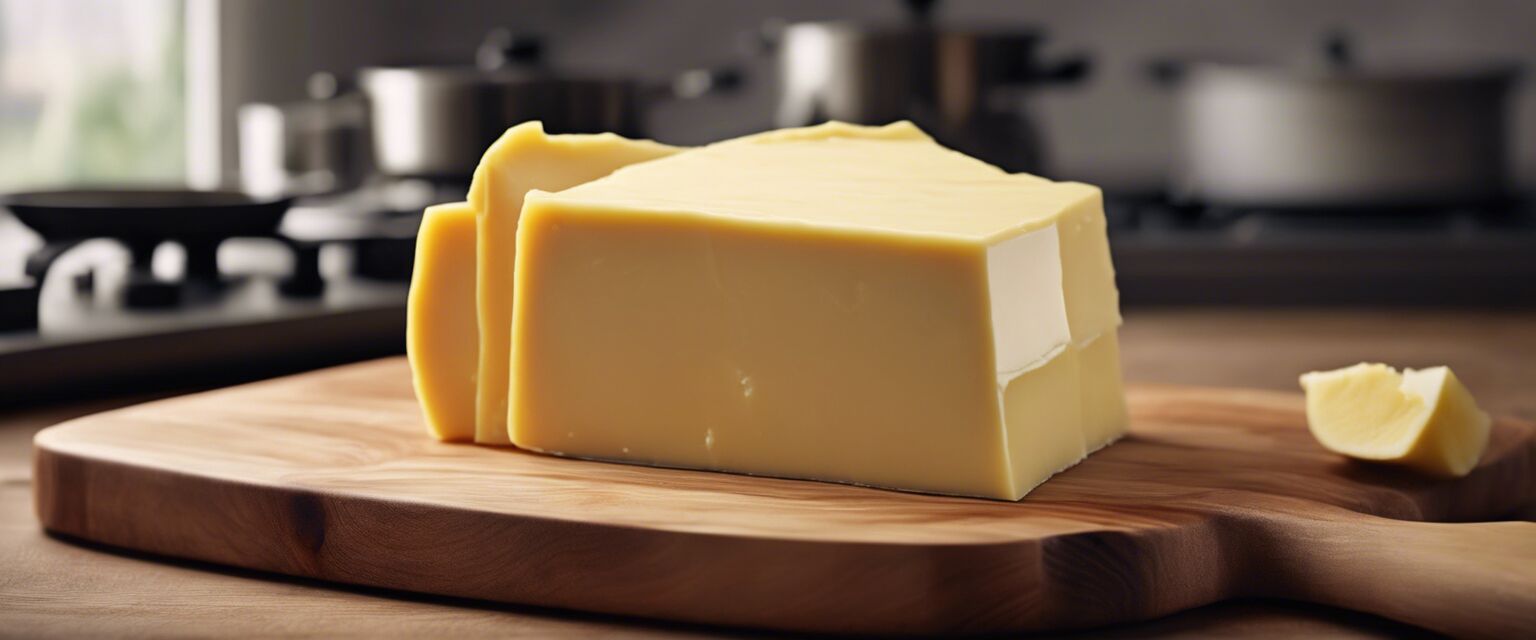
Butter is a dairy product made by churning cream or milk to separate the butterfat from the buttermilk. It typically contains about 80% fat, along with water and milk solids. Butter has a creamy texture and a distinct flavor that varies depending on its production method.
Comparison of Ghee and Butter
| Feature | Ghee | Butter |
|---|---|---|
| Smoke Point | 485°F (252°C) | 350°F (177°C) |
| Lactose Content | Lactose-free | Contains lactose |
| Flavor | Nuts and caramel | Creamy and rich |
| Storage | Stable at room temperature | Needs refrigeration |
Culinary Uses
Both ghee and butter can enhance flavor in diverse recipes. Here are some common uses:
- Ghee:
- Perfect for frying and sautéing due to its high smoke point.
- Commonly used in Indian cuisine and traditional medicine.
- Great for drizzling over vegetables or grains.
- Butter:
- Widely used for baking, providing moisture and flavor.
- Ideal for making sauces and spreads.
- Enhances the taste of popcorn and other snacks.
Health Benefits and Considerations
While both ghee and butter contain fats that can enhance flavor, choosing between the two may depend on your dietary preferences:
- Ghee is often considered a healthier option due to its lack of lactose and casein.
- Butter contains higher levels of vitamins A and D, along with beneficial fatty acids.
For more insights on health-related aspects of these cooking fats, check our article on Health Benefits.
Pros and Cons of Ghee and Butter
Pros
- Ghee has a high smoke point, making it ideal for frying.
- Lactose-free, suitable for those with intolerance.
- Long shelf life without refrigeration.
- Contains beneficial fatty acids.
Cons
- Ghee can be more expensive than regular butter.
- Some people may prefer the familiar flavor of butter.
Which One Should You Choose?
Your choice between ghee and butter ultimately depends on your dietary needs and culinary preferences.
- If you're sensitive to lactose, ghee may be the better option.
- For baking and spreading, butter remains a classic choice.
- Both can be incorporated into a balanced diet if used in moderation.
Conclusion
In summary, ghee and butter each have unique properties and flavors that make them suitable for different culinary applications. Understanding these differences can help you make informed choices about which fat to use in your cooking. Explore more on Culinary Uses for more creative ideas using these popular fats.
Further Reading
For more insights into ghee and butter, check these links: